

 +86 15814116500
 Views: 0 Author: Site Editor Publish Time: 2026-04-24 Origin: Site


If you need to troubleshoot industrial Metal Detector issues quickly and easily, this guide is here to help—even if you’re not a tech expert. COSO Electronic is a trusted brand in reliable metal detection, and regular maintenance is key to keeping your detector performing at its best. Studies show that predictive and condition-based maintenance are effective ways to troubleshoot industrial Metal Detector problems, helping you prevent downtime and keep your equipment running smoothly. With the right approach, you can identify and fix industrial Metal Detector issues on your own.
Predictive and condition-based maintenance help troubleshoot industrial Metal Detector problems and prevent downtime.
Preventive maintenance lowers the risk of failures in your industrial Metal Detector.
Relying only on corrective maintenance can lead to unexpected downtime with your industrial Metal Detector.
Doing regular maintenance stops problems and keeps your metal detector working well. Predictive and condition-based checks help prevent downtime.
Cleaning every day and checking the system often are important. These steps stop false alarms and missed detections. This helps keep products good.
Changing sensitivity settings can fix false alarms. It also makes detection more accurate. Calibrate the detector often for the best results.
Looking at the detector and checking the power can find problems early. This lets you fix things fast and means you do not need professional help as much.
Teach staff how to do maintenance. This makes the detector more reliable and stops surprise breakdowns.
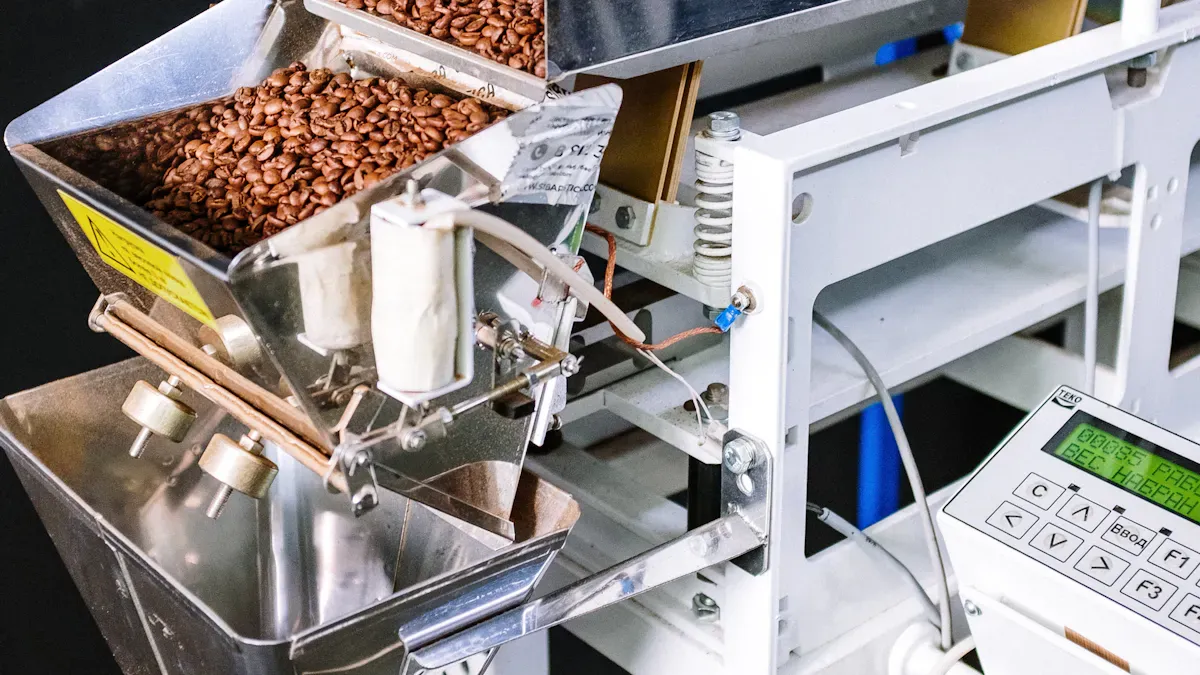
Image Source: pexels
Sometimes, your industrial metal detector gives false alarms. These alarms can stop production and waste products. The main reasons are:
Sensitivity settings are not right for your product or package.
You do not check the detector often enough after calibration.
Mistakes happen during testing in the process.
Product effect and environment are not handled well.
The reject mechanism or line does not work because of mechanical problems.
If you fix these usual problems, you can stop interruptions and keep your line working well.
Detection failures mean the metal detector misses metal pieces. You should look at different things that cause missed detections. The table below lists the main reasons:
Cause | Description |
|---|---|
Improper Detector Settings | Settings must fit your product and how you use the detector. |
Environmental Factors | Changes in temperature or humidity can make sensitivity worse or cause wrong rejects. |
Mechanical Condition | The detector and conveyor must be in good shape to find metal and keep food safe. |
Inadequate Documentation | Good records show the detector works well when you have audits. |
You can stop detection failures by changing settings and taking care of your equipment.
Sensitivity loss makes it hard for the detector to find metal. This happens with tricky products or changing environments. Sensitivity loss can come from:
Product temperature changes, like frozen items warming up or hot items cooling down.
Water drops on packaging.
Foods with lots of water, salt, or that conduct electricity, like fresh meat, seafood, cheese, sauces, and wet foods.
How you pick equipment, install it, calibrate it, and how operators use it.
Watch these things when you fix common problems.
Intermittent operation means the detector works sometimes but not all the time. This can happen because wires are loose, power is not steady, or the environment causes trouble. Check connections and look for damage or wear. Doing regular maintenance helps you find these problems early.
Power problems can make your detector turn off or give strange alarms. Common power issues are:
The power supply is not grounded well.
Voltage is not steady or there is interference from big power converters nearby.
Strange false alarms may need a steady power supply.
You can fix most power problems by checking your power and making sure it is grounded right.
You can fix industrial metal detector problems by using simple steps. COSO Electronic suggests these steps to help you find and fix problems fast. These methods make your detector work better and stop long breaks.
Begin by looking at the detector closely. Search for any damage or worn parts. Check if there are cracks or loose pieces. See if anything is broken. Make sure the conveyor belt moves without problems. Look at the reject mechanism for jams or if it is not straight. Do not use the detector as a table, chair, or ladder. Do not touch the aperture because it can break or stop working well. If you see something strange, write it down before you keep going.
Power issues often cause the detector to not work right. Start by checking if the power is on. Make sure the detector is plugged in and switched on. Look at the power cable for cuts or worn spots. Check if the power supply is grounded the right way. Watch for power changes or noise from other machines. If the power is not steady, move the detector away from big machines. Good power helps the detector find metal and stops false alarms.
Coils and wires are important for finding metal. Look at the coils for rust or damage. Check all wires to see if they are loose or broken. If you see wires showing, fix them right away. Look inside for water or dust. Water can cause short circuits and make the detector less sensitive. Clean and dry the inside before turning the detector back on. Taking care of coils and wires helps the detector work better.
Mechanical alignment helps the detector work right. Fixing alignment problems stops false rejects and missed metal. Some common problems are:
Belt moves too fast, so small metal is hard to find.
Products are too close, causing mixed signals and false rejects.
Metal rollers or special belts can mess up signals.
Detection heads are not set up right.
Conveyor does not run the same every time.
Skipping regular checks makes things worse.
Check how fast the conveyor moves and how far apart products are. Move the detection head if you need to. Make sure all parts are tight and lined up. Doing regular checks stops alignment problems and keeps the detector working well.
Things around the detector can mess up how it works. Find out what causes electrical noise near the detector. Motors, open wires, and other machines can make noise. This noise can cause false rejects and make the detector less reliable. Both types of electrical noise can cause many false alarms. These alarms waste time and cause product loss. Keep the detector away from strong electrical sources. Cover wires and ground them right. Knowing about interference helps you keep the detector working well.
Cleaning is very important for fixing and keeping your detector working. COSO Electronic says to clean often to stop problems. Do these things:
Check the pipe metal detector to make sure it works.
Keep the area clean and pick up extra metal.
Teach workers to keep things clean and safe.
Clean the detector to get rid of dust, water, and dirt.
Cleaning helps the detector work better and last longer.
Cleaning and checking your detector often helps you find problems early. Your equipment will last longer and work better.
Tip: Always follow the cleaning rules from the manufacturer. Never use strong chemicals or rough tools on sensitive parts.
When you use these steps, fixing your COSO Electronic industrial metal detector is easier. You will fix most problems fast and keep your production line working.
If your industrial metal detector stops working, you want a fast fix. You can often get it working again with easy steps. Try these quick fixes before you call for help.
First, try resetting the system. Turn off the detector and wait a few seconds. Then turn it back on. This can clear small problems and make it work again. If it still does not work, look at the control panel for error messages. Many COSO Electronic detectors have tools to help you find the problem fast.
Tip: Always follow the manufacturer's instructions when you reset your equipment.
If you see false alarms or missed metal, check the sensitivity. Run a test with no product to set the base level. Your product and the area around the detector can change how sensitive it is. COSO Electronic detectors let you change sensitivity if you need to. Calibrate the detector often to keep it working well. Many models can calibrate by themselves, so it is easy.
Test sensitivity with no product first.
Change settings for your product and area.
Calibrate often for best results.
Power problems can make your detector stop or act weird. Check the power cable and plug for damage. Replace any broken cables right away. Make sure the power is steady and grounded. If you use batteries, put in new ones. Fixing power problems can make your detector work again.
Things stuck in the aperture or on the conveyor can block the detector. Take out anything stuck in the detector. Clean around the search head and conveyor. Make sure nothing touches the aperture. Keeping the path clear helps your detector work better.
Quick Fixes | Description |
|---|---|
Full System Diagnostics | Test control units, search heads, coils, and rejection systems to find problems. |
Fine-tuning Sensitivity | Change sensitivity to stop false rejects from interference. |
Component-Level Repair for Power | Fix control boards and power supplies to solve power or display problems. |
Conveyor Repair | Fix belts, motors, and rollers to keep products moving right. |
Try these quick fixes first. You can fix many common problems and keep your line running.
You can fix many problems yourself. Sometimes, the same issues keep happening. If quick fixes do not work, ask for expert help. Persistent faults can slow production and waste products. The detector may stop working or give false alarms. It might miss metal even after you reset and clean it. These problems often need a technician. Regular maintenance helps prevent issues, but sometimes you need a certified expert. Third-party checks are important for safety and rules. Internal tests cannot always show your detector meets new standards.
Tip: If you see problems that hurt safety or quality, call a professional right away.
Some problems start inside the detector. You may see display errors or power failures. Sometimes, the detector does not respond. These problems often come from broken boards, coils, or belts. You cannot fix these with basic tools. Complete system checks make sure your detector works right. Professional service and certification keep your detector reliable. You may need new belts or other repairs to keep it working.
Criteria for Professional Service | Description |
|---|---|
Professional service and certification | Makes sure the detector follows rules and works well. |
Belt replacement (as needed) | Keeps the detector working as it should. |
Complete system validation | Checks the detector’s performance and accuracy. |
COSO Electronic gives good customer support for metal detectors. You can get help with fixing and troubleshooting. The company offers strong warranties and fast service. You get answers to your problems quickly. COSO Electronic helps with issues that basic fixes cannot solve. You can trust their team to keep your detector running and your production safe.
COSO Electronic helps with troubleshooting and repairs.
You get support for problems that need expert solutions.
The company makes sure customers are happy with strong warranties.
Note: You can contact COSO Electronic for help with problems that affect your detector’s performance.
Cleaning your metal detector every day keeps it working well. Dust and dirt can build up quickly. Product residue can also collect fast. Cleaning stops these things from causing false alarms. It also helps prevent missed detections. Use soft brushes and lint-free cloths for cleaning. Wipe the conveyor belt, search head, and reject mechanism. Take out any debris from the aperture. Do not use harsh chemicals on sensitive parts. Clean all surfaces, even hidden spots. Daily cleaning is easy and protects your equipment. It keeps your production line safe.
Tip: Make a cleaning schedule and teach your team to follow it. Cleaning often stops many common problems.
Routine system checks are important for metal detector maintenance. Test your detector after every shift or product change. Hourly tests help you find issues early. Make a checklist for maintenance tasks. Include calibration and sensitivity checks. Inspect coils and wiring too. A good maintenance program keeps your product quality high. It makes your detector reliable. Regular preventive maintenance lowers downtime. It helps your detector meet industry standards. These checks stop expensive repairs. They keep your equipment running smoothly.
System Check Schedule | Action Items |
|---|---|
After shift | Test sensitivity, inspect wiring |
Product change | Calibrate detector, check reject mechanism |
Hourly | Inspect conveyor, clean search head |
Note: Use metal detector maintenance tools for all inspections. Keep records of every maintenance activity.
Staff training is needed for good metal detector maintenance. Teach your team how to clean and inspect the detector. Show them how to calibrate it. Explain how to use maintenance tools. Make sure everyone knows the checklist. Training helps staff spot problems early. They can fix issues before downtime happens. Well-trained staff keep your detector accurate and reliable. Regular training improves maintenance routines. It helps your team follow safety standards.
Train staff on cleaning and servicing steps.
Review maintenance checklists often.
Encourage reporting of any issues.
Callout: Staff who know metal detector maintenance help protect product quality and make equipment last longer.
You can fix COSO Electronic Industrial Metal Detectors with easy steps. Doing regular maintenance makes your detector work well and stay accurate. Having a full maintenance plan helps you stop surprise breakdowns and saves money on repairs. Try using this guide first to fix most problems. Taking care of your detector before problems happen makes it find metal better and wastes less product. Look at the table below to learn how proactive maintenance helps.
Benefit | Description |
|---|---|
Minimizes Unplanned Downtime | Proactive maintenance stops surprise failures, so metal detectors keep working. |
Reduces Maintenance Costs | Doing maintenance only when needed lowers costs for extra repairs. |
Improves Detection Reliability | When the detector works all the time, there are fewer false rejects, so more products pass and less gets wasted. |
Clean your metal detector every day. Dust and leftover product can pile up fast. Cleaning helps your metal detector stay correct and work well. Use a soft cloth to wipe it down. Do not use strong chemicals.
False alarms can happen if the sensitivity is set wrong. Electrical interference can also cause them. Sometimes, product effect or machine problems make false alarms too. Checking your metal detector often helps stop these issues.
Yes, you can change the sensitivity on your metal detector. Use the control panel to pick the right level for your product. Calibration helps your metal detector work well and not miss metal.
Your metal detector might miss metal if the settings are wrong. Changes in the environment can also cause this. Product temperature and wetness can make it harder to find metal. Calibrating and checking your metal detector often helps it find metal every time.
Call a professional if your metal detector keeps having problems or shows errors inside. If easy fixes do not work, a technician should check your metal detector. They will make sure it is safe and works right.
Tip: Take care of your metal detector with regular checks. This stops most problems and keeps your line safe.

