

 +86 15814116500
 Views: 0 Author: Site Editor Publish Time: 2026-01-08 Origin: Site


Food safety compliance isn't just a legal chore. It protects everyone. Access to safe food helps people thrive. It keeps your business running smoothly. When millions get sick from foodborne diseases, brands must follow strict rules. These practices satisfy regulators. They safeguard your customers and your name.
Food safety failures hurt the bottom line. Contaminated food causes serious illness or death. A single outbreak can destroy a hard-earned reputation.
| Impact Category | Consequences for the Brand |
| Financial Cost | The USDA says foodborne illnesses cost the U.S. economy $74.7 billion every year. |
| Recalls | Recalls lead to huge medical costs and lost productivity. |
| Reputation | Social media spreads news of contamination fast. Trust evaporates overnight. |
| Legal Issues | Non-compliance leads to fines, lawsuits, and criminal liability. |
| Operations | Bad violations force closures. You could lose your license to operate. |
Regulatory agencies watch over different food aspects. It depends on what you serve.
FDA Oversight: The FDA regulates most food products. This includes packaged goods and produce. They focus on preventing contamination before it starts.
USDA Oversight: The USDA handles meat, poultry, and egg products. They require strict temperature controls and handling rules.
FSMA Rules: The Food Safety Modernization Act (FSMA) shifted the focus to proactive prevention. It requires companies to prove they can stop hazards early.
HACCP Basics: HACCP identifies and controls hazards throughout your operation. Most international standards rely on these seven principles:
Conduct a hazard analysis.
Determine critical control points (CCPs).
Define critical limits.
Select monitoring procedures.
Design corrective actions.
Create verification procedures.
Establish record-keeping processes.
Industry Standards: Many global codes follow HACCP. These include IFS, BRC, and FSMA.
Failing to use quality control tools is risky. Manual inspection often misses small objects. Missed fragments cause recalls and health hazards. Brands can suffer irreparable damage.
Physical hazards are a major concern. They fall into three categories: biological, chemical, and physical.
Hazard Types: Common physical objects include metal, glass, stone, and some plastics.
Entry Points: Objects enter at many touchpoints in the supply chain. They might come from raw ingredients or breaking machinery.
Recalls: Foreign body contamination is a top reason for expensive recalls.
Visual Limits: Visual checks are cheap. However, they have major drawbacks. They cannot find fragments hidden inside products.
Risks exist even before your raw materials enter the production line. If metal fragments enter the grinder, they can shatter into thousands of tiny particles.
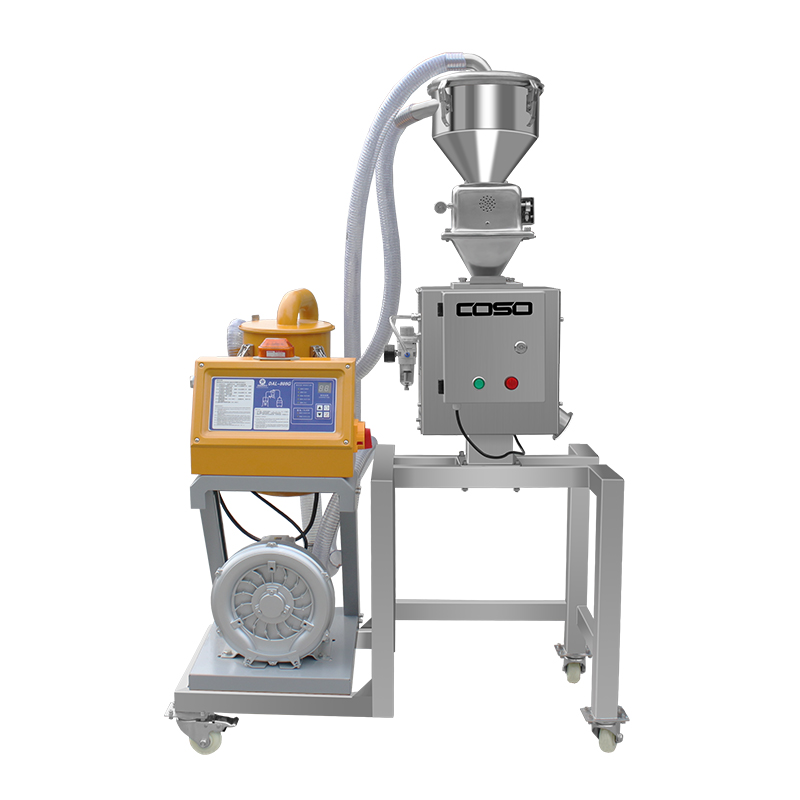
The Advantage of Separation: Metal Separators are specifically designed to handle powders, granules, bulk materials or liquids.
Gravity and Pipeline: They are suited for granules, bulk materials and powder.
Automatic Rejection: When the detection probe detects metal contaminants, the rejection mechanism automatically remove them.
Protect Your Machines: This not only protects consumers but also prevents metal contaminants from damaging your expensive processing equipment.
Compliance Early: Compliance with FDA and ISO9001 standards at the raw material stage saves you considerable trouble in subsequent processes.
Modern metal detectors use 4-quadrant technology. They detect metal contaminants.

Key Benefits of Metal Detection:
Broad Detection: They detect ferrous, non-ferrous, and stainless steel.
Automation: Software sets parameters automatically. This saves you time.
Maintenance: These systems need very little upkeep.
Equipment Health: Finding micro-metal bits shows your machines need repair. This prevents total breakdowns during production.
Automatic Rejection: The detector signals the system to reject contaminated products automatically.
Compliance: Brands stay inspection-ready for FDA, ISO.
ROI Perspective: Investing in a metal detector is essential. It costs much less than a massive recall.

X-ray inspection is highly popular now. It handles risks that metal detectors might miss.
Beyond Metal: These systems find glass, stone, ceramics.
Packaging Perks: X-rays work through foil or metalized film. Metal detectors would give a false reject here.
Bonus Quality Checks:
Detecting foreign object.
Checking product defects.
Safety: X-ray detection is safe for consumers.
Documentation: Systems like the XRAY SHARK create electronic audit trails automatically. This makes compliance records reliable.
The right choice depends on your specific needs.
| Factor | Detection Types | X-Ray Inspection |
| Foreign Object | Food products | Glass, bone, stone, ceramic. |
| Product Defects | Canned and bottled products | Rotting fruit, dented bottles and cans, or broken items. |
A food safety program only succeeds with a solid plan. You must identify hazards and control them through every step of the supply chain. Whether you use a custom plan or a standard one, compliance is what protects your brand.
Contamination prevention is a core part of the HACCP approach. You need to pinpoint exactly where risks can be controlled or eliminated.
Hazard Analysis: Identify potential biological, chemical, and physical hazards from receiving to serving.
Defining Limits: Set clear, measurable limits for each Critical Control Point (CCP).
Strategic Monitoring: Use metal detectors and X-ray systems to monitor CCPs in real-time.
Corrective Action: Decide in advance what happens when limits aren't met to prevent repeat issues.
Digital compliance systems help remove human error. They make maintaining standards easy for every employee.
Automatic Capture: Advanced detection systems provide automatically generated electronic audit trails.
Reliable Records: Digital systems timestamp entries and prevent backdating.
Instant Search: All records stay in one place, so they are ready the moment an inspector asks.
Transparency: Digital task management creates systemic accountability across multiple locations.
Failure to properly clean or maintain equipment causes many major outbreaks. Your processing equipment must be built according to sanitary principles.
The materials used in your machines matter for food safety. They must resist damage from both food products and harsh cleaning chemicals.
Surface Quality: Equipment surfaces should be easy to clean and sanitize.
Durable Materials: Metals and specialized non-metals like plastics or rubber must withstand wear.
Sealed for Safety: High-quality detection systems use sealed enclosures to handle high-pressure sprays.
A good maintenance routine keeps your production line safe. You should check for wear and deterioration frequently.
Washing Protocols: Hygienic scales and detectors should hold up to antimicrobial detergents and high temperatures.
Scheduled Reviews: Include regular examinations of equipment as part of your standard procedures.
Calibration Checks: Ensure your sensors and scales provide accurate data every shift.
Food safety starts long before ingredients reach your facility. You must verify that your suppliers follow their own HACCP protocols.
The FDA enforces the Foreign Supplier Verification Program (FSVP) for food contact substances. This shifts the responsibility to the importer.
Risk Evaluation: Importers must assess the risk posed by each foreign partner.
Compliance Audits: You should conduct audits or review records to ensure they meet U.S. standards.
Documentation: Maintain meticulous records of how you verified each supplier.
Don't assume certifications stay current forever. Schedule annual verifications and check every shipment.
Entry Points: Use detection equipment to scan raw materials before they enter your main production line.
Integrity Checks: Inspect packaging for signs of contamination or tampering at the loading dock.
High-Risk Items: Products like seafood or spices require extra scrutiny and periodic audits.
Real-time monitoring catches deviations before they become violations. If you wait for a physical review, missed steps have already happened. Digital systems help your team spot issues before they reach the consumer.
Modern tools move brands from reactive fixing to proactive prevention. They remove the inconsistency found in manual logs.
Cloud Platforms: Digital checklists provide automatic reminders and centralized records.
Instant Alerts: Managers receive alerts when tasks are missed or limits are exceeded.
Multi-site Visibility: Dashboards display compliance status across all locations from one spot.
Using data makes your food safety program more efficient. It identifies patterns that paper records often miss.
Detection Analytics: Consistent warming in a cooler can reveal equipment issues or poor loading habits.
Predictive Maintenance: High micro-metal contamination levels indicate that production equipment needs repair before it breaks down.
System Integration: Integrated task management systems make maintaining standards easy for every employee.
Food traceability follows a product and its ingredients through every step of the supply chain. This process records and links manufacturing, processing, and distribution. It is a critical part of modern food safety.
The law now requires a new layer of rigor for fast-moving goods. Brands must answer deep questions about their ingredient history.
Mandatory Mapping: You must be able to trace every ingredient back to its farm or hatchery.
Speed Expectations: If contamination occurs, you need to execute a pinpoint recall quickly.
Record Retention: Retain your safety records for at least two years.
Food safety compliance isn't just about foreign objects. It's about your commitment to consumers. If your label says 500g, but the actual product only weighs 450g, you're facing legal risks.
100% Inspection:Checkweighers, such as the Teltek C80-1, weigh every package on the production line.

Financial Stability: Every overweight costs you profits. Checkweighers reduce product giveaways.
Legal Protection: It ensures your products comply with weight standards, avoiding fines from regulatory agencies.
Real-time Data: Modern checkweighers generate digital records. These records prove your production process is stable and compliant.
Inspection systems are critical for identifying potential contaminants at multiple touchpoints. They provide the data needed during a crisis.
Event Tracking: Systems provide automatically generated electronic audit trails for complete records.
Batch Linking: Tracing helps sellers quickly find exactly where contamination occurred.
Rapid Removal: Efficient tracking speeds up product removal, which decreases infections.
A food safety program only succeeds with a solid plan and a trained team. One-time training isn't enough; repetition is the key to lasting compliance.
Employees need to know how to use the specific tools on your production line. Training should be relevant to their specific roles.
Proper Operation: Workers must understand how to operate metal detectors and X-ray systems correctly.
Alarm Response: Teams need clear protocols for what to do when a system detects a foreign object.
Documentation Skills: Staff must know how to record monitoring, corrective actions, and verification steps.
Compliance happens when teams believe safety truly matters. Culture starts with how managers respond to problems.
Micro-Learning: Short, 15-minute sessions are more effective than long marathon meetings.
Refresher Sessions: Schedule quarterly training on topics like temperature logging and cleaning.
Accountability: Use digital systems to track completion and keep everyone accountable.
Choosing the right partner ensures your production line remains compliant and efficient. You need equipment that fits your specific products and meeting global standards like IFS or BRC.
Focus on these essentials when evaluating new systems:
Reliable Sensitivity: Look for technology that detects ferrous, non-ferrous, and stainless steel fragments.
Hygiene Design: Choose equipment with a washdown rating that withstands high temperatures and antimicrobial detergents
Smart Integration: Systems should connect easily to your existing conveyors and process control systems.
Automatic Reporting: Ensure the software generates an electronic audit trail for reliable compliance record
Many food safety failures come from simple execution gaps during busy shifts. Modern detection technology acts as a safety net to catch these errors.
Mistake: Relying on Eyes Only: Visual checks are low cost but have many limitations.
Solution: Metal detectors and X-rays find hidden debris that humans miss
Mistake: Messy Paper Records: Paper logs are hard to verify and easy to lose.
Solution: Digital systems capture data in real-time with secure timestamps.
Mistake: Poor Maintenance: Outbreaks often start because machines aren't cleaned or repaired.
Solution: High levels of micro-metal detection can signal that your machinery needs service before it fails.
Buying high-end detection gear makes good business sense. It protects your financial stability and brand image.
A single outbreak can destroy your reputation and cost millions
| Investment | Potential Savings |
| Detection Equipment Cost | Avoids recall costs which average over $10M per incident. |
| Digital Monitoring | Reduces time spent on manual quality checks and paper filing. |
| Preventative Maintenance | Prevents expensive production downtime by identifying wear early. |
Food safety compliance is essential for any brand to thrive. By following these seven best practices, you move from reacting to problems to stopping them before they start. Advanced detection technology, like metal detectors and X-ray systems, forms the foundation of a modern safety program. These tools protect your customers, your reputation, and your bottom line.
Ready to strengthen your compliance? Contact the experts at Coso Inspection today to find the right detection solution for your facility

