

 +86 15814116500
 Views: 0 Author: Site Editor Publish Time: 2026-05-09 Origin: Site


Have you ever wondered how manufacturers catch hidden defects before products reach your hands? X-ray inspection now reveals what the eye cannot see, from tiny cracks in electronics to contaminants in food. In this article, we explore the newest X-ray inspection technologies and how they improve efficiency and safety. You will learn how advanced imaging, AI algorithms, and real-time monitoring are transforming manufacturing quality control.
X-ray inspection didn’t start as the fast, intelligent technology we know today. In the beginning, manufacturers relied on film-based systems, where every product had to be painstakingly examined through developed films. Imagine opening a pack of tablets or a sealed food container and waiting for hours just to see if anything was wrong inside. It worked, yes, but slowly. Only highly trained operators could spot subtle defects, from tiny metal fragments in packaged foods to cracks in delicate electronics. Despite the slow pace, these early systems offered a peek into the hidden world inside products—a world that traditional visual checks could never reveal. They laid the foundation for the smart, automated systems we now take for granted.
Then came digital X-ray, a game changer. Suddenly, images appeared instantly on screens, letting operators see inside products in real time. Tiny glass shards, hidden bones, or micro-cracks in electronics that once might have gone unnoticed could now be spotted immediately. The digital approach didn’t just speed things up; it made inspection more reliable and repeatable. Factories could store every image, track trends, and analyze defects over time, turning inspection into a tool for learning, not just checking. It meant fewer mistakes, less waste, and a production line that could keep up with growing demand without sacrificing quality. For manufacturers, this felt like moving from candlelight into daylight—everything was clearer, faster, and more accurate.
Today, X-ray inspection feels like part of a conversation with the production line itself. Sensors, robotics, and intelligent sorting systems work in harmony to catch defects and remove them seamlessly. Real-time imaging feeds smart algorithms that recognize unusual patterns or hidden anomalies, almost like the system is learning to think for itself. It integrates with factory software so managers can watch trends, predict maintenance needs, and tweak processes on the fly. Companies like COSO have taken this to the next level, combining adaptive algorithms, image enhancement engines, and automated rejection mechanisms. These systems adjust effortlessly to different products and packaging, keeping speed, safety, and accuracy in perfect balance. It’s no longer just inspection—it’s a silent guardian for quality, quietly ensuring every product leaving the line meets the highest standards.
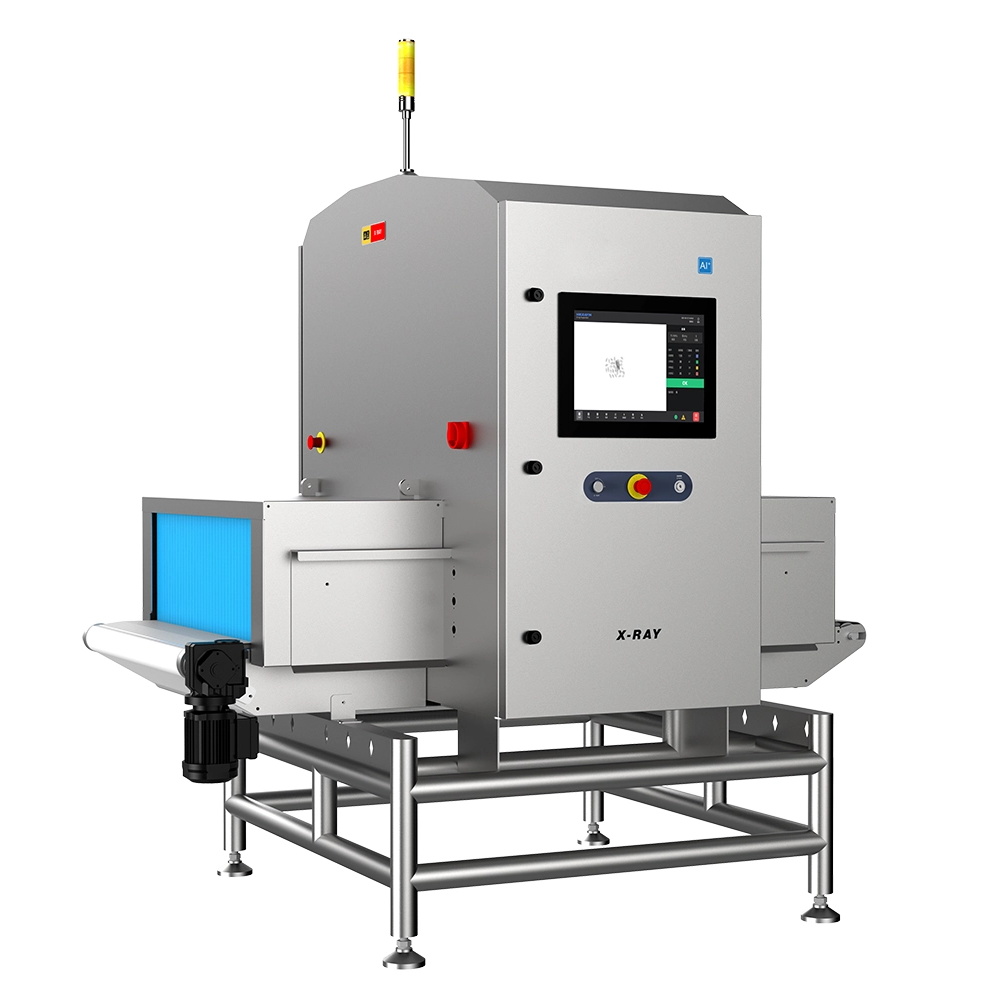
High-resolution imaging has completely changed how manufacturers see inside their products. Tiny foreign objects that once could hide inside complex packaging are now visible in seconds. Dual-energy X-ray goes further by differentiating materials based on density, making it easier to spot bones in meat, glass in food, or subtle cracks in electronics. Factories benefit because inspection is faster and more precise, reducing wasted products and improving overall quality control. It also allows operators to analyze multi-layered packaging and detect contaminants that are very close in density to the product itself, which was almost impossible before.
Feature | Benefit | Application |
|---|---|---|
High-resolution imaging | Detect tiny contaminants | Food, pharmaceuticals, electronics |
Dual-energy X-ray | Material differentiation | Meat processing, complex packaging |
Multi-layer detection | Reduce false negatives | Bottled and canned products |
Low-density detection | Identify subtle anomalies | Confectionery, processed foods |
AI is no longer a luxury; it is a necessity in modern X-ray inspection. Machine learning algorithms analyze thousands of images in real time, recognizing patterns that humans might miss. They can automatically classify defects, prioritize critical issues, and reduce false positives that previously slowed production lines. Over time, these intelligent algorithms improve as they “learn” from new samples, adapting to different product types or packaging materials. This results in higher throughput, consistent quality, and less dependency on manual intervention. Manufacturers can now trust that the system is constantly refining itself and catching issues before products leave the line.
Real-time inspection turns production lines into living, responsive systems. As products pass through the X-ray scanner, operators get instant feedback on potential defects. At the same time, digital data is stored for audits, regulatory compliance, and process improvement. Modern systems allow integration across multiple inspection points, creating a complete quality traceability chain. Historical data can be analyzed to detect trends, optimize manufacturing processes, or predict potential issues before they occur. For companies like COSO, this means every item, whether canned, bottled, or industrial, can be tracked efficiently and safely while maintaining high throughput.
In the food and beverage industry, X-ray inspection is a vital tool to ensure both safety and quality. Modern lines use it not only to detect contaminants but also to check product integrity and consistency. For example, a production line might encounter:
Metal contamination: tiny fragments hiding in chocolate bars, nuts, or canned foods, which could cause injury or trigger expensive recalls.
Bones in poultry or seafood: small pieces often invisible to the naked eye, yet critical to catch for consumer safety.
Glass shards: from broken bottles or packaging, which pose serious hazards if not detected.
Plastic debris: unintentionally mixed into baked goods, snacks, or ready-to-eat meals, potentially affecting product quality.
Beyond contaminants, X-ray inspection verifies fill levels in cans, ensures all items are present in multi-pack sets, and identifies minor tears, dents, or misaligned seals. Advanced systems combine high-resolution imaging, dual-energy detection, and intelligent algorithms that learn over time. This ensures accuracy, keeps production speed high, and helps manufacturers like COSO deliver safe, consistent products.
In electronics and semiconductor manufacturing, X-ray inspection ensures reliability where human eyes cannot reach. It identifies internal anomalies that can compromise functionality, such as:
Cracks in solder joints: tiny fractures that could cause device failure in automotive or aerospace applications.
Voids in microchips: hidden gaps within the material that reduce performance or shorten lifespan.
Misaligned connectors: critical defects in complex assemblies that affect consumer electronics.
These systems often combine high-resolution imaging and adaptive algorithms that learn from previous inspections. Real-time feedback helps operators remove defective units immediately, preventing flawed components from moving further down the production line. This approach reduces returns, minimizes warranty claims, and ensures products meet strict industry standards.
Pharmaceutical manufacturers rely on X-ray inspection for both safety and regulatory compliance. The systems detect hidden contaminants, improper fill levels, and damaged packaging. A typical line may focus on:
Contaminants in tablets or capsules: including metal, glass, or debris introduced during production.
Underfilled or overfilled bottles: ensuring patients receive the correct dosage every time.
Damaged or misaligned blister packs: which could affect product effectiveness or shelf life.
Advanced inspection solutions, like COSO’s systems, combine real-time scanning, intelligent algorithms, and enhanced imaging, allowing hundreds of bottles or packs per minute to be analyzed accurately. Digital traceability ensures audit-ready records, enabling compliance with strict FDA or other international standards, while reducing human error.
X-ray inspection is equally essential for industrial and mechanical parts, where internal flaws can lead to failures and costly recalls. Lines often focus on:
Cracks in metal castings: invisible on the surface but critical to structural integrity.
Voids in assemblies: hidden gaps that could weaken industrial equipment.
Misaligned or damaged connectors: which can compromise electronics or machinery performance.
Defects in precision parts: tiny anomalies in semiconductors or medical devices that affect reliability.
Modern systems combine real-time imaging, automated rejection, and centralized data storage, making it easy to track every part. Adaptive algorithms adjust detection thresholds for different components, ensuring high accuracy without slowing production. This reduces returns, enhances product durability, and improves customer satisfaction.
Picture a factory where every machine seems to anticipate problems before they even happen. That’s the magic of digital twins in X-ray inspection. By feeding real-time inspection data into a virtual replica of the production line, manufacturers can see hidden trends, predict failures, and adjust processes instantly. It’s like having a silent partner watching over every batch, whispering insights that keep production smooth and efficient. Teams can spot potential issues before they reach the real line, turning reactive quality control into proactive optimization, and making the factory feel alive and responsive.
AI is reshaping how X-ray inspection works, turning it into a smart, ever-learning assistant. Modern algorithms don’t just detect defects—they understand patterns, learn from new products, and adapt to changing materials and packaging. Imagine scanning hundreds of items per minute while the system quietly improves itself with each pass, reducing false alarms and catching subtle imperfections humans might miss. It allows operators to focus on bigger-picture decisions, knowing the technology is constantly evolving and safeguarding product quality with remarkable precision.
Flexibility has never been more exciting. Portable X-ray systems can go anywhere, inspecting small spaces, temporary setups, or hard-to-reach lines without sacrificing quality. Inline systems fit right into high-speed production lines, scanning every item seamlessly without slowing down operations. Think of a beverage line where every bottle is silently checked, or a semiconductor assembly where each component is verified as it moves along. These solutions combine speed, accuracy, and adaptability, giving manufacturers confidence that no defect goes unnoticed, and every product leaving the line is reliable and safe.
COSO’s X-ray inspection systems lead in detecting contaminants and defects across food, electronics, and industrial products. Their advanced imaging, dual-energy technology, and intelligent algorithms improve speed and accuracy while supporting real-time monitoring and traceability. Manufacturers benefit from safer, more consistent products and efficient production lines.
A: X-ray inspection detects contaminants, cracks, and product defects to ensure safety and quality.
A: It differentiates materials by density, helping spot hidden contaminants and low-contrast defects.
A: COSO provides advanced imaging and intelligent algorithms, improving detection accuracy and production efficiency.
A: Yes, it gives instant feedback and stores data for audits, trends, and quality control.
A: Modern systems adjust automatically to varied packaging, materials, and product shapes for consistent results.

